

Why Trogir Continues to Outperform as One of Croatia’s Most Practical Charter Bases
Trogir continues to outperform because it solves the two biggest problems charter travelers care about most: getting to the boat quickly and getting to the islands without wasting half the trip. That combination is hard
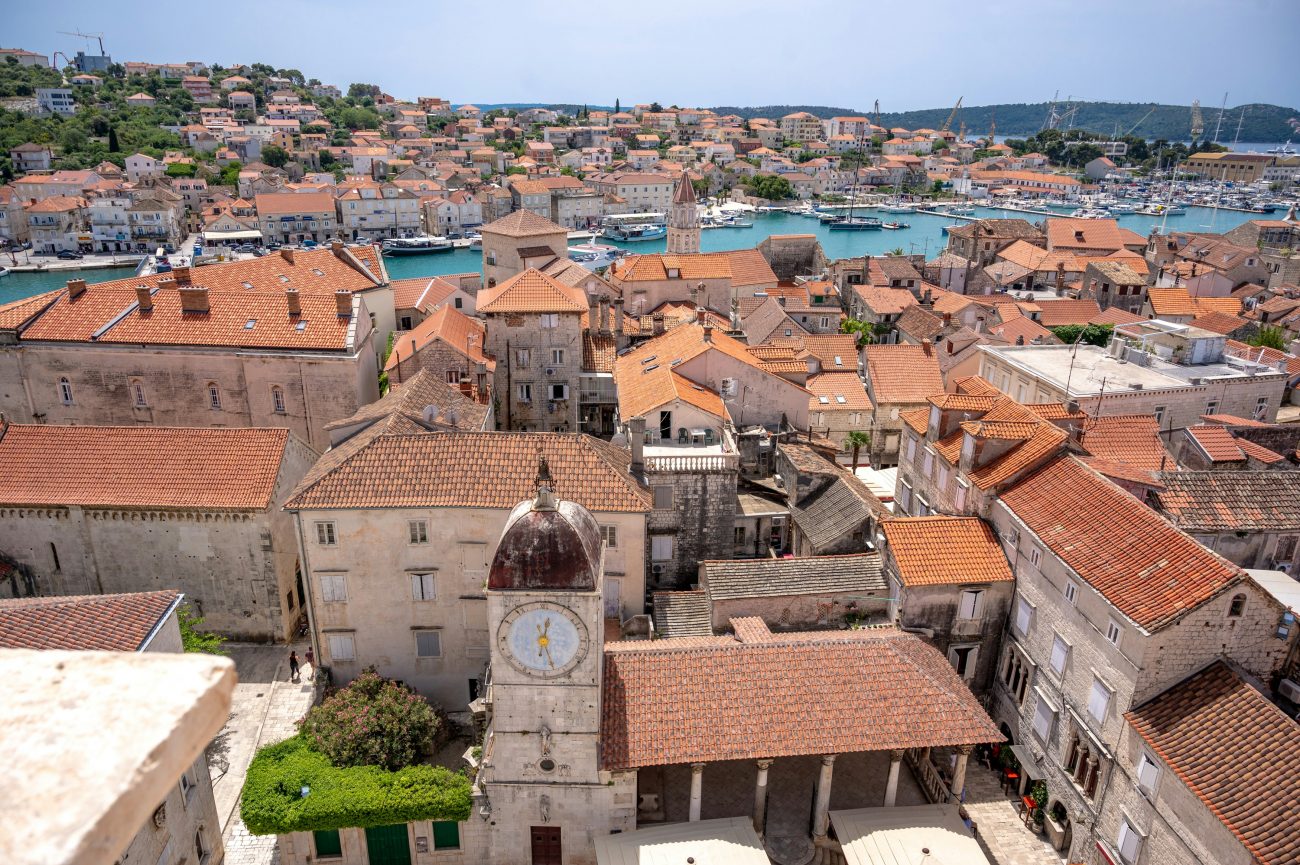
Trogir continues to outperform because it solves the two biggest problems charter travelers care about most: getting to the boat quickly and getting to the islands without wasting half the trip. That combination is hard to beat in Croatia. On 12 Knots, Trogir currently shows 868 boats available, which gives the base unusual depth across sailing yachts, catamarans, and crewed options, while the same source positions it as a gateway to the central Dalmatian archipelago.
A major part of that advantage starts on arrival day. Split Airport says it is 6 km from Trogir, and local transfer guidance consistently frames the journey as very short. For one week charters, that matters more than it might seem. A quick airport transfer makes same day boarding far more realistic, reduces friction at the start of the trip, and helps travelers feel that the holiday begins almost as soon as they land.
Trogir also benefits from being more than a functional marina stop. UNESCO describes the Historic City of Trogir as a remarkable example of urban continuity, with a street plan dating back to the Hellenistic period and a dense mix of Romanesque, Renaissance, and Baroque heritage. That gives the base an advantage many practical departure points do not have. Travelers are not just boarding near an airport. They are starting in a place that already feels worth arriving early for.
The marina setting reinforces that strength. ACI Marina Trogir says it sits on Čiovo directly opposite the historic town center, separated only by a narrow canal, which means crews are based right next to one of Croatia’s most attractive old towns rather than on an isolated industrial waterfront. That proximity makes the entire charter experience smoother. Provisioning, pre-departure dinners, overnight stays, and post-charter walks all become easier when the marina and the destination are effectively part of the same compact setting.
What really keeps Trogir ahead, though, is route logic. Central Dalmatia remains one of Croatia’s easiest sailing regions to sell because the geography is immediately understandable and the islands are close enough to make a one week itinerary feel full rather than rushed. The official Split-Dalmatia tourist board highlights nautical routes toward Brač, Hvar, Šolta, and Vis, while broader regional tourism guidance frames Central Dalmatia as the heart of the Adriatic and points to the same core island set.
That kind of route density is exactly why Trogir stays commercially strong. Travelers can head toward famous names such as Hvar and Vis, shape an easier island-hopping week around Brač and Šolta, or build a slightly longer itinerary that stretches farther south. The point is not just that the islands are beautiful. It is that they are close enough together to create options. A practical charter base performs best when it works for different trip styles without needing complicated repositioning, and Trogir does that consistently.
Another reason Trogir keeps outperforming is that it feels coherent from a planning perspective. Travelers can understand the proposition in seconds: fly into Split, transfer a few minutes to Trogir, board next to a UNESCO old town, and sail into Central Dalmatia’s best known island circuit. That clarity matters. When people compare Croatian charter bases, the ones that win are often the ones that require the least explanation. Trogir is practical not because it lacks charm, but because it combines charm with a very efficient travel setup.
Fleet scale also keeps the base competitive. A destination with hundreds of available boats is better positioned to serve early planners, larger groups, mixed budgets, and travelers who want specific formats such as catamarans or crewed yachts. That flexibility helps Trogir stay resilient even when preferences shift, because the base is not tied to one narrow customer type. It works for first-time Croatia charters, repeat Adriatic sailors, and higher-comfort leisure groups alike.
In the end, Trogir continues to outperform because it keeps delivering on the basics better than many rivals. It is close to the airport, next to a world heritage town, backed by strong marina infrastructure, and perfectly placed for Central Dalmatia’s most marketable sailing routes. In charter terms, that is a rare combination of convenience, atmosphere, and route efficiency, which is why Trogir remains one of Croatia’s most practical bases year after year.
